Back-to-Class Style Starts with a Custom T-Shirt Logo
The first week of school is more than just buying notebooks and sharpening pencils; it is the moment where identity, community, and personal expression collide. Whether you are a teacher looking to unify your classroom, a parent outfitting their child for the "first day" photo, or an administrator organizing spirit wear for a major event, the visual impact of your apparel matters. Back-to-Class Style Starts with a Custom T-Shirt Logo because generic graphics simply cannot convey the unique spirit of your specific group. A well-designed logo transforms a plain cotton tee into a statement piece that fosters belonging and pride.
However, many people rush this process, treating the design as an afterthought or relying on low-quality assets found in quick online searches. This approach often leads to disappointing results: logos that fade after two washes, designs that look pixelated when enlarged, or files that printers refuse to accept. To ensure your custom school apparel stands out this year, you need to understand the technical and creative nuances behind professional-grade design.
The Hidden Cost of Low-Quality Files
One of the most common mistakes I see educators and small business owners make is ignoring file formats. When you purchase or download a design, you might receive a single image file, usually a JPEG or PNG. While these look fine on a screen, they are often insufficient for professional printing. If you try to scale a low-resolution raster image (like a JPG) to fit a large chest print or a back graphic, it will appear blurry or pixelated. This instantly makes your "custom" shirt look cheap and unprofessional.
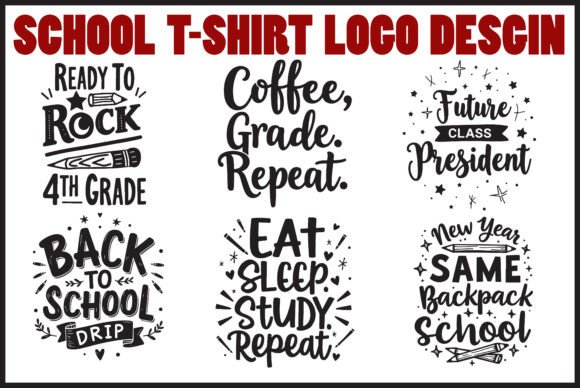
To avoid this pitfall, you must insist on receiving a complete package of vector and high-resolution files. A robust design delivery should include:
- 6 SVG files: Scalable Vector Graphics are essential for crisp lines at any size. These are the gold standard for screen printing and embroidery.
- 6 EPS files: Encapsulated PostScript files are another vector format widely used by professional print shops for high-quality output.
- 6 PNG files: High-resolution images with transparent backgrounds are perfect for digital mockups, social media promotion, or direct-to-garment (DTG) printing.
- 6 JPG files: Useful for general sharing, presentations, and quick previews, though not ideal for final production scaling.
Having multiple formats ensures flexibility. If a printer asks for an EPS but you only have a JPG, you risk delays or extra costs for reformatting. By securing all six variations in each format, you future-proof your design for every type of application, from small club patches to large team jerseys.
Avoiding Design Trends That Date Quickly
Another frequent error is chasing fleeting trends without considering longevity. School spirit wear often stays in circulation for years. A student might wear their elementary school shirt throughout middle school, and teachers often keep their favorite class shirts for years as mementos. If you choose a font or graphic style that was "in" last month but feels dated today, your custom apparel will lose its appeal quickly.
Instead of following the latest meme or overly complex graphic trend, focus on timeless elements. Clean typography, balanced color palettes, and clear iconography tend to age much better. For example, a simple, bold school mascot paired with a classic sans-serif font will look just as fresh five years from now as it does today. When designing for youth school shirts or teacher t-shirt logos, prioritize clarity and readability over intricate details that may get lost in the wash or on fabric textures.
Color Theory and Fabric Compatibility
Many designers overlook how colors interact with different fabric shades. A bright neon green logo might look stunning on a white background in a digital mockup, but it could disappear entirely if printed on a light gray heather shirt. Similarly, dark colors require specific printing techniques to pop against black tees.
Before finalizing your design, ask yourself: "Will this work on the actual shirt color we intend to use?" It is crucial to test your palette against the specific garment options available. A professional designer will provide color-separated versions of your logo to ensure compatibility with various printing methods like screen printing, heat transfer, or DTG. This attention to detail prevents the embarrassment of receiving a batch of shirts where the logo is barely visible.
Defining Your Audience and Purpose
Not all school shirts serve the same purpose. A design for a high school football team needs to project power and aggression, while a logo for a kindergarten classroom should be playful and welcoming. A common misunderstanding is using a "one-size-fits-all" approach. If you are creating a personalized school shirt for a specific grade level, the imagery should resonate with that age group.
Consider the context in which the shirt will be worn. Is it for a formal school event, a casual field trip, or everyday campus wear? For instance, a school club shirt might benefit from a more detailed crest-style logo, whereas a trendy school shirt for students might lean towards minimalist streetwear aesthetics. Understanding the nuance between a student shirt design and a teacher t-shirt logo can significantly improve the reception of your apparel.
Practical Steps for a Successful Launch
To ensure your Back-to-Class Style Starts with a Custom initiative is a success, follow these practical steps before placing your order:
- Verify File Integrity: Open your downloaded files on a computer. Check that the vectors (SVG/EPS) scale up without losing quality. Ensure the PNGs have transparent backgrounds if needed.
- Check Color Profiles: Confirm that your design uses CMYK color mode for print, not RGB, which is for screens. This prevents color shifting during production.
- Review Placement: Decide where the logo goes. Chest prints should be smaller and subtler, while back prints can be larger and more detailed. Ensure the design doesn't sit too low or too high on the torso.
- Order a Sample: Before committing to a bulk order of 50 or 100 shirts, order one sample. This allows you to check the print quality, fabric feel, and sizing accuracy.
By taking these precautions, you avoid the frustration of receiving a shipment that doesn't meet expectations. The extra time spent on verification saves money and reputation in the long run.
Investing in Long-Term Value
Ultimately, the goal of custom school apparel is to build community. When students and staff wear matching, high-quality designs, it creates a sense of unity and pride. However, this positive effect is only possible if the design is executed correctly. Cheap, poorly formatted logos do the opposite; they signal a lack of care and professionalism.
Whether you are looking for a cool school shirt for a fundraiser or a unique t-shirt logo for a science fair, remember that the foundation of great style is great design. By prioritizing high-quality file formats, timeless aesthetics, and audience-appropriate themes, you ensure that your Back-to-Class Style Starts with a Custom T-Shirt Logo delivers exactly what you promised: a look that stands out, lasts through the school year, and represents your group with dignity and flair.