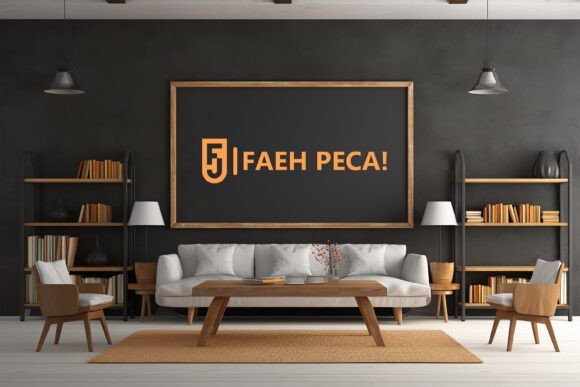
Interior Blackboard Mockup: A Practical Guide to Chalkboard Design Presentations
In the realm of graphic design and interior visualization, the Interior Blackboard Mockup has emerged as a distinctive tool for professionals seeking to blend nostalgia with modern branding strategies. Unlike standard flat logo presentations or generic digital backgrounds, an Interior Blackboard Mockup places your design within a realistic, textured environment that mimics the look and feel of a traditional chalkboard. This approach is particularly effective for brands in education, hospitality, and artisanal sectors where a handcrafted, authentic aesthetic resonates deeply with the target audience. However, deciding whether this specific style fits your project requires a clear understanding of its capabilities, limitations, and how it compares to other presentation formats.
Defining the Interior Blackboard Mockup
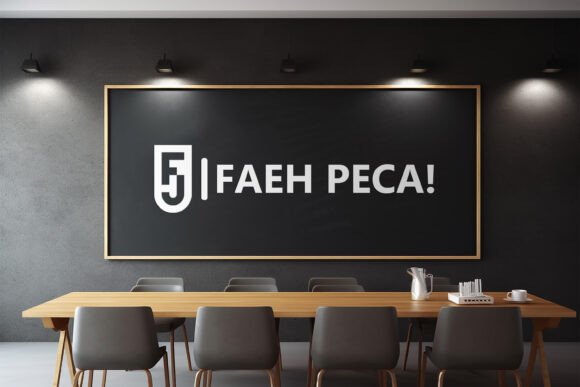
An Interior Blackboard Mockup is essentially a high-resolution template designed to showcase logos, typography, or menu items on a surface that replicates a physical blackboard. These mockups are crafted with attention to lighting, texture, and perspective, often simulating the grain of slate, the dust of chalk, and the ambient light of a room. They go beyond simple overlays; they integrate the design into a scene, such as a café wall, a classroom corner, or a living room feature wall.
What distinguishes this format from a standard white background or a glossy glass effect is the inherent "imperfection" of the medium. The slight smudges, the uneven lines, and the matte finish contribute to a sense of warmth and human touch. For designers, this means the final presentation does not just show what a logo looks like, but how it feels in a specific context. It transforms a static vector file into a narrative element, suggesting a story of craftsmanship, community, or tradition.
Comparing Presentation Styles: When to Choose Chalkboard Over Alternatives
When evaluating options for presenting a brand identity, the choice between an Interior Blackboard Mockup and other styles depends heavily on the brand's personality and the intended message. While digital-first brands might prefer sleek, minimalist mockups with clean lines and vibrant colors, the chalkboard aesthetic serves a different purpose.
- Minimalist Digital Mockups: These are ideal for tech startups, SaaS companies, or modern retail brands where clarity and precision are paramount. They offer a neutral canvas that ensures the logo remains the sole focus without environmental distractions.
- Photorealistic Product Mockups: Best for e-commerce, these place logos on physical products like mugs, t-shirts, or packaging. They answer the question, "How will this look on a product?" rather than "How will this look in a space?"
- Interior Blackboard Mockups: These excel at conveying atmosphere. If the goal is to suggest a cozy coffee shop, a rustic bakery, or a creative workshop, the blackboard texture provides immediate contextual cues that a plain background cannot.
The tradeoff here is versatility versus specificity. A white background is universally applicable but lacks emotional resonance. An Interior Blackboard Mockup offers strong emotional resonance but may feel out of place for a corporate law firm or a futuristic software company. The decision hinges on whether the brand benefits from the "retro" or "handmade" connotations associated with chalk.
Texture and Realism: The Core Differentiator
One of the primary strengths of a well-crafted Interior Blackboard Mockup is its ability to simulate depth. High-quality templates utilize advanced layering techniques to mimic the interaction between chalk and slate. This includes subtle variations in opacity to represent fresh vs. faded writing, as well as shadows that ground the text in the scene. In contrast, lower-quality alternatives often rely on simple opacity adjustments or basic filters, which can result in a "stuck-on" appearance that breaks immersion.
For professionals aiming to present a restaurant menu or a school logo, this level of realism is crucial. It allows stakeholders to visualize the signage in situ before any physical installation occurs. It answers practical questions about legibility, color contrast, and scale within a specific interior setting. Without this context, a design that looks good on a screen might fail when printed on a large-scale board due to poor contrast or inappropriate font choices.
Best-Fit Situations and Industry Applications
Understanding where the Interior Blackboard Mockup shines helps narrow down its utility. It is not a one-size-fits-all solution, but rather a specialized tool for specific scenarios.
Hospitality and Food Service
The most common application is in the restaurant and café industry. Menus written on chalkboards are a staple of bistros, pubs, and cafes. Using a mockup allows owners to test different layouts, fonts, and hierarchies for daily specials or permanent menus. It helps evaluate whether the handwriting style matches the venue's vibe—whether it needs to be elegant script for a wine bar or bold block letters for a burger joint.
Education and Non-Profit Organizations
Schools, tutoring centers, and educational non-profits often benefit from the academic associations of a blackboard. A logo presented on a chalkboard mockup instantly communicates learning, creativity, and tradition. It can be used for promotional materials, website headers, or social media campaigns to evoke a sense of community and intellectual curiosity.
Artisanal and Craft Brands
Brands selling handmade goods, from soap makers to furniture restorers, often use this aesthetic to highlight their manual processes. The chalkboard texture reinforces the idea that the product was made by human hands, not a machine. It adds a layer of authenticity that aligns with the values of consumers seeking unique, locally sourced items.
Strengths, Tradeoffs, and Limitations
While the appeal of the chalkboard style is evident, it is important to weigh the practical considerations before committing to this format for a major project.
Strengths
- Emotional Connection: Effectively evokes nostalgia, warmth, and approachability.
- Contextual Visualization: Provides a realistic preview of how signage will appear in a physical space.
- Versatility in Style: Can range from vintage and worn to crisp and modern, depending on the specific mockup chosen.
- Cost-Effective Prototyping: Allows for rapid iteration of designs without the cost of physical fabrication.
Tradeoffs and Limitations
However, there are scenarios where an Interior Blackboard Mockup may not be the right choice. The primary limitation is the restriction on color palette. Chalk is traditionally white, pastel, or neon, which limits the ability to showcase full-color logos. If a brand relies heavily on vibrant gradients or complex color schemes, a blackboard background might mute these elements, making the design appear dull or washed out.
Additionally, the texture itself can interfere with fine details. Intricate logos with thin lines or small text may become illegible against the grainy surface of a simulated slate. In such cases, a cleaner, smoother mockup would better preserve the integrity of the design. Furthermore, the "retro" association can sometimes date a brand if the aesthetic is not carefully curated. For companies striving for a cutting-edge, high-tech image, the chalkboard motif might send the wrong signal.
Evaluating Quality and Customization Options
Not all Interior Blackboard Mockups are created equal. When selecting a resource, consider the level of customization available. Premium templates often come with smart object layers, allowing users to easily swap out the logo while maintaining realistic lighting and shadow effects. Cheaper or free alternatives may require manual adjustment of blending modes and levels to achieve a similar result, which can be time-consuming and prone to error.
Another factor is the variety of angles and environments. A robust collection should offer multiple perspectives—from straight-on views for menu boards to angled shots for wall art. Some sets even include surrounding elements like frames, shelves, or ambient lighting to enhance the scene. This variety ensures that the presentation can adapt to different marketing channels, from print brochures to digital social media posts.
Vector vs. Raster Considerations
It is also worth noting the difference between vector-based and raster-based approaches. While the final output of a mockup is typically a raster image (like a JPEG or PNG), the underlying design assets should ideally remain editable vectors. This distinction matters for scalability. If a client decides to enlarge the design for a billboard or a storefront sign, having access to the original vector data ensures no loss of quality. Raster-only mockups may limit the ability to resize the presentation without pixelation.
Making the Decision: Is It Right for Your Project?
Ultimately, the decision to use an Interior Blackboard Mockup comes down to alignment with brand identity and project goals. Ask yourself: Does my brand benefit from a sense of history, craft, or informality? Am I trying to visualize a physical space or simply display a logo? If the answers lean towards yes, then this format offers a powerful way to elevate your presentation.
However, if your brand is defined by minimalism, high-tech innovation, or complex color palettes, you might find that alternative mockup styles serve your needs more effectively. The best approach is often a hybrid one: using the blackboard mockup for specific campaign assets or seasonal promotions while maintaining a cleaner, more versatile presentation for core brand guidelines.
By carefully evaluating the strengths and limitations of the Interior Blackboard Mockup, designers and business owners can make informed decisions that enhance their visual communication. Whether for a new restaurant menu, a school logo, or a creative living room concept, the right mockup acts as a bridge between a digital idea and its real-world impact, ensuring that the final result resonates with the intended audience.